

Essential security technology that’s still not obsolete
Even if you don’t know much about internet security, you’ve probably heard the term firewall, if only from movies and shows about hackers trying to break into computer systems. The term firewall originally came from a flame resistant barrier installed between buildings or sections of a building. Its job was to prevent fires from spreading. When it comes to cybersecurity, a two-way firewall blocks unauthorized connections to your Wi-Fi and internet connection while controlling suspicious outgoing programs from leaking data.
However, security experts know that traditional security technologies still have a role to play in a multi-tiered defense, even if attacks are getting more sophisticated. In today’s world, a single solution won’t work to protect the fragmented and hybrid networks that access your information. An updated firewall will still be an essential element of your network security plan as long as you still have physical devices in your home or business.
Let’s take a look at the two types of firewalls: hardware and software.
Hardware or network firewalls
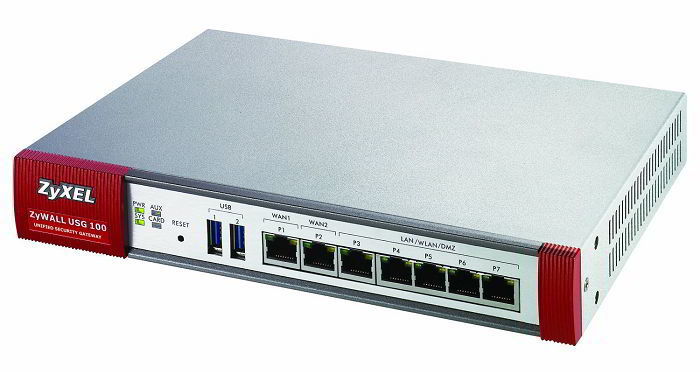
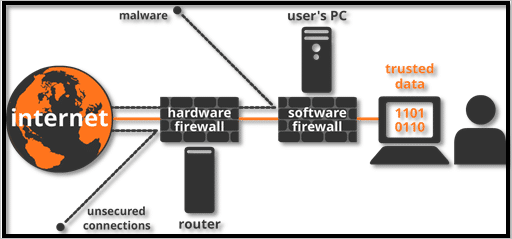
Hardware firewalls are physical devices that are placed between your computer and the internet. Some internet service providers (ISPs) offer small home or office network routers that include firewall features. Hardware-based firewalls are great for protecting multiple computers and controlling information that goes through them. They provide an additional line of defense against attacks on personal computers. Their disadvantage is that they are separate devices that often require professional support for configuration and maintenance.
Software firewalls
Most computer operating systems (OSs) include a basic built-in software firewall feature. Firewall software is also available separately from computer stores and online vendors. Software firewalls are able to control the internet access and behavior of programs on your computer. While you’ll be able to update and manage firewall software on your own, if the software you’re using is not efficient and easy to use, it can be confusing and potentially even slow down your system.
Here are the top 4 reasons using a firewall is important
Antivirus doesn’t prevent invasion or theft
Protection from incoming threats
A firewall monitors your network traffic and looks for unwanted worms, Trojan horses, and bots that want to destroy your data or disrupt your system.
Protect your data from being stolen
You can set a firewall to block suspicious outgoing connections by controlling which programs have access to the internet. This prevents information leak and theft.
Prevent lending your computer to hackers
Without a firewall, your computer’s processing power and systems can be remotely enslaved to run criminal activities – all without your knowledge.